Tag: seoul apartment rental

  • Seoul Housing Contracts 101: What Every Foreigner Must Check Before Signing (2025 Update)

    Seoul Housing Contracts 101: What Every Foreigner Must Check Before Signing (2025 Update)


    Updated: October 28, 2025 (KST)


    Korean rental contracts can feel intimidating to non-Korean speakers. Dense legal Korean, unfamiliar rental types (jeonse ์ „์„ธ, wolse ์›”์„ธ), and large deposits create real risk if you don’t know what to check. Many foreigners sign documents they can’t fully read because they trust their agent or feel pressured to secure the apartment quickly

    This guide walks you through the key words, hidden fees, what to ask for before you sign, and how to protect your deposit. Korean law gives tenants significant protection if they take certain stepsโ€”specifically, completing resident registration (์ „์ž…์‹ ๊ณ ) and obtaining a fixed-date stamp (ํ™•์ •์ผ์ž)โ€”but you must actually do those steps. [Source: Housing Lease Protection Act (English), KLRI]

    Korean housing lease contract with key terms highlighted.

    1. Core Contract Words You MUST Understand

    ๋ณด์ฆ๊ธˆ (Bojeung-geum) โ€“ Security Deposit

    What it means: The refundable security deposit you pay upfront. It’s meant to be returned at the end of the lease, minus unpaid bills or damage.

    Why it matters: Seoul Metropolitan Government guidance describes how deposits are normally refunded. In many leases, if the landlord terminates early without proper cause, they may owe compensation (often double the deposit). If you as the tenant break the lease early, you may lose part or all of the deposit. [Source: Seoul Metropolitan Government โ€“ Housing for Foreigners]


    ๊ด€๋ฆฌ๋น„ (Gwan-ri-bi) โ€“ Maintenance Fee

    What it means: Monthly building management fee. Often covers common-area electricity, elevator maintenance, security guard wages, garbage collection, shared heating, building cleaning. Sometimes includes internet or water in officetel-type units.

    Why it matters: This is NOT optional, and it can be surprisingly high in newer buildings (โ‚ฉ100,000โ€“300,000+ per month). What’s included changes by building. [Source: Seoul Metropolitan Government]


    ์›์ƒ๋ณต๊ตฌ (Won-sang-bok-gu) โ€“ Restore to Original Condition

    What it means: You must return the unit in the same condition as when you moved in, accounting for normal wear and tear.

    Why it matters: Landlords sometimes try to charge extra for repainting, fixing tiny scratches, or replacing wallpaper. You need dated photos from move-in day to prove pre-existing damage. (Best practice for evidence.)


    ์ค‘๋„ํ•ด์ง€ (Jung-do Haeji) โ€“ Early Termination

    What it means: Breaking the contract before the agreed end date.

    Why it matters: The contract usually specifies what happens to your deposit if you leave early. In many cases, losing part or all of the deposit is written in. [Source: Seoul Metropolitan Government]


    ๊ณ„์•ฝ๊ธฐ๊ฐ„ (Gyeyak Gigan) โ€“ Contract Term

    What it means: The lease duration, often 1โ€“2 years per standard Korean leases. [Source: Seoul Metropolitan Government]


    ๊ณ„์•ฝ์—ฐ์žฅ / ๊ฐฑ์‹  (Renewal / Extension)

    What it means: The clause explaining what happens at the end of the first term.

    Why it matters: Korean housing law gives tenants certain renewal-related protections and caps rent increases. These are governed by the Housing Lease Protection Act, but details can change, so always confirm up-to-date rules. [Source: Housing Lease Protection Act (English), KLRI]


    2. “Maintenance Fee” (๊ด€๋ฆฌ๋น„) Is Not Just an Extra Line Item

    The ๊ด€๋ฆฌ๋น„ is the monthly building fee. It might include: hallway electricity, elevator service, security guard, trash collection, basic heating for common areas, building cleaning. In some officetel-style residences, it includes internet, water, or even building-wide heating. [Source: Seoul Metropolitan Government]

    This fee can make a “cheap” apartment actually expensive. You must ask: “What exactly is included in ๊ด€๋ฆฌ๋น„?” before you sign. Get it in writing if possibleโ€”even informal English notes on your contract copy.

    Utility bills like gas (๋‚œ๋ฐฉ/์˜จ์ˆ˜ for your unit’s heating), electricity inside your unit, or private internet may NOT be covered. It depends on the building. Always clarify which bills you’ll receive separately.

    Shared lobby and elevator area in a Seoul apartment, which is often covered by the monthly maintenance fee.
    [Source] https://blog.naver.com/keo7071

    3. Who Are You Actually Dealing With? (Landlord vs Realtor)

    Clarify Roles

    • The landlord (์ง‘์ฃผ์ธ, jib-ju-in) is the actual property owner and your legal counterparty.
    • The realtor (๊ณต์ธ์ค‘๊ฐœ์‚ฌ, gong-in-junggae-sa) is the licensed intermediary who shows you the unit and drafts or reviews the contract.

    It is normal and reasonable to ask for proof that the person claiming to be the landlord is in fact the legal owner listed on the property register (๋“ฑ๊ธฐ๋ถ€๋“ฑ๋ณธ). [Source: Supreme Court IROS]

    Seoul Metropolitan Government guidance for foreigners encourages verifying identity and ownership, and warns against sending money to an unrelated third party. [Source: Seoul Metropolitan Government]

    Exterior of a Korean real estate agency with rental listings posted in the window.

    4. “Can I Ask for the ๋“ฑ๊ธฐ๋ถ€๋“ฑ๋ณธ (Property Registry Document)?”

    Yesโ€”And You Should

    What is it? ๋“ฑ๊ธฐ๋ถ€๋“ฑ๋ณธ (deung-gi-bu-deung-bon) is the official real estate registry extract. It shows who legally owns the unit, and what debts, liens, or mortgages are already on it.

    Where to get it: The official online service is IROS (์ธํ„ฐ๋„ท๋“ฑ๊ธฐ์†Œ), run by the Supreme Court of Korea. You (or your agent) can obtain a certified copy for a small fee (typically โ‚ฉ700โ€“1,000). [Source: Supreme Court IROS]

    Why This Matters

    It is normal and expected to ask to see a recent copy before you hand over a big deposit. You should check:

    1. Owner name: The “Owner” in the registry matches the “Lessor / Landlord” named in your contract
    2. Existing debts: Heavy existing loans or seizure entries could mean risk to your deposit if the landlord defaults

    This is standard due diligence in Koreaโ€”you are not being rude by asking. [Source: Supreme Court IROS; Seoul Metropolitan Government]

    After You Sign: Two Critical Steps

    To protect your repayment priority under Korean law, you must:

    1. Take possession and register your address (์ „์ž…์‹ ๊ณ , jeoip sin-go / resident registration)
    2. Get a fixed-date stamp (ํ™•์ •์ผ์ž, hwakjeong ilja)

    These steps are described in the Housing Lease Protection Act. They affect your priority ranking if the property is ever sold or foreclosedโ€”without them, you may lose your deposit even if you have a signed contract. [Source: Housing Lease Protection Act (English), KLRI]

    A Korean property registry document (deung-gi-bu-deung-bon) used to confirm the legal owner and existing mortgages.

    5. Before You Move In: The Photo Checklist

    Take photos of the following before you bring your boxes in. Send these to yourself (email/cloud) with the move-in date in the filename so you can prove condition later.

    โœ“ Mold / ๊ณฐํŒก์ด on ceiling corners, bathroom ceiling, around windows

    Why: You want timestamped proof of pre-existing moisture problems so you are not blamed when you move out.

    โœ“ Boiler (๋ณด์ผ๋Ÿฌ) control panel and pipes

    Why: Heating and hot water in Korea are often controlled by an in-unit boiler. If it fails, repair responsibility can get messyโ€”documenting its condition protects you.

    โœ“ Sink / under-sink cabinet / washing machine hookup for leaks

    Why: Water damage disputes are common. Pre-existing leaks should be documented immediately.

    โœ“ Window seals / frames (condensation spots, ๊ฒฐ๋กœ)

    Why: Winter condensation can cause significant damage. If it’s already happening, you need proof it predates your move-in.

    โœ“ Floor scratches, dents, stains

    Why: Landlords sometimes try to charge for all visible damage at move-out. Document what was already there.

    โœ“ Any cracks in tiles

    Why: Tile repair can be expensive. Prove these cracks existed before you arrived.

    This is standard tenant self-protection and can help with disputes about “original condition / ์›์ƒ๋ณต๊ตฌ” when you move out.

    Tenant photographing a mold spot on a window frame to document pre-existing damage before moving in.

    6. The “Do Not Sign Yet Ifโ€ฆ” List

    ๐Ÿšฉ The name on the contract for “landlord / lessor” does NOT match the legal owner in the registry (๋“ฑ๊ธฐ๋ถ€๋“ฑ๋ณธ)

    Walk away. You cannot establish legal protections unless you’re contracting with the registered owner. [Source: Supreme Court IROS]


    ๐Ÿšฉ The agent or “landlord” refuses to show a recent ๋“ฑ๊ธฐ๋ถ€๋“ฑ๋ณธ

    Legitimate owners have nothing to hide. Refusal suggests hidden debts or ownership disputes. [Source: Supreme Court IROS]


    ๐Ÿšฉ You’re told “No need for resident registration or fixed-date stamp. Don’t bother.”

    This is dangerous. Registering your address and getting a ํ™•์ •์ผ์ž (fixed-date stamp) can protect your priority under the Housing Lease Protection Act. Without these steps, you have no legal standing if the landlord defaults or the property is seized. [Source: Housing Lease Protection Act (English), KLRI]


    ๐Ÿšฉ The contract says you cannot ever get your deposit back early under any circumstance, but also says the landlord can make you leave if they “need the place back”

    This is one-sided. At minimum, ask for clarificationโ€”ideally with help from a bilingual licensed realtor or a Seoul Metropolitan Government foreigner support center. [Source: Seoul Metropolitan Government]


    ๐Ÿšฉ You are pressured to wire your deposit to an account with a different name than the registered owner

    Seoul Metropolitan Government explicitly warns foreigners to avoid transfers that do not match the legal owner. This is a common fraud tactic. [Source: Seoul Metropolitan Government]

    Close-up of a tenant about to sign a Korean lease contract but pausing to check details.

    7. FAQ

    Q: Is it rude to ask for the ๋“ฑ๊ธฐ๋ถ€๋“ฑ๋ณธ before I pay a deposit?

    A: No. It’s normal and expected, because the ๋“ฑ๊ธฐ๋ถ€๋“ฑ๋ณธ is the official Supreme Court registry showing who owns the property and what liens or mortgages exist. Asking for this document is standard due diligence in Korea, not an insult. [Source: Supreme Court IROS]


    Q: Do I really need to do resident registration and get a fixed-date stamp (ํ™•์ •์ผ์ž) after I move in?

    A: Yes. Korean housing law lets tenants secure repayment priority for their deposit if they actually live in the unit, register their address at the local community center (์ „์ž…์‹ ๊ณ ), and obtain a fixed-date stamp (ํ™•์ •์ผ์ž). Without these steps, you have no legal standing in disputes or if the property is foreclosed. [Source: Housing Lease Protection Act (English), KLRI]


    Q: What happens if I leave early?

    A: Many contracts state the tenant loses part or all of the deposit for early termination. Many also state the landlord owes compensation (often double the deposit) if they terminate without proper cause. This is described in Seoul Metropolitan Government guidance for foreign renters. Always read the ์ค‘๋„ํ•ด์ง€ (early termination) clause carefully before signing. [Source: Seoul Metropolitan Government]


    Q: Who can I talk to in English before I sign?

    A: Seoul Metropolitan Government runs foreign resident counseling centers where you can ask about rental terms, deposits, and scams in multiple languages including English, Chinese, Vietnamese, Mongolian, Russian, Uzbek, and Urdu. Contact the Seoul Foreign Resident Center (Yeongdeungpo-gu) at +82-2-2229-4900 or help@sfrc.seoul.kr. [Source: Seoul Metropolitan Government]

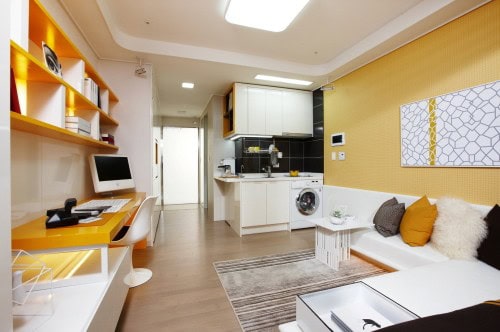
    ์ด ์ด๋ฏธ์ง€๋Š” ๋Œ€์ฒด ์†์„ฑ์ด ๋น„์–ด์žˆ์Šต๋‹ˆ๋‹ค. ๊ทธ ํŒŒ์ผ ์ด๋ฆ„์€ image-14.png์ž…๋‹ˆ๋‹ค

    [Source] Support Center for Foreign Workers|Author KOLIFE


    8. Final Disclaimer

    This article is general information, not legal advice. Korean housing contracts are legally binding and involve large sums of money. Before you transfer any deposit, confirm ownership through the official Supreme Court real estate registry (IROS), register your address after you move in, and get a fixed-date stamp (ํ™•์ •์ผ์ž) to protect your priority under the Housing Lease Protection Act. If anything feels off, speak to a licensed realtor or a Seoul Metropolitan Government foreign resident support counselor first.

    [Source: Supreme Court IROS; Seoul Metropolitan Government; Housing Lease Protection Act (English), KLRI]


    About Korea Nows (koreanows.com): We explain how Korea’s policies, laws, and everyday systems actually workโ€”no guesswork, just official sources. For more guides on visas, banking, and living in Korea as a foreigner, visit our Expat Resources Hub.

    Information current as of October 28, 2025 (KST) | Legal references verified quarterly
  • Monthly Rent vs Jeonse vs Ban-jeonse: Which Housing Contract Fits You? (2025 Update)

    Monthly Rent vs Jeonse vs Ban-jeonse: Which Housing Contract Fits You? (2025 Update)


    Updated: October 28, 2025 (KST)

    Korea uses three main rental formats that fundamentally reshape how you pay for housing: Wolse (์›”์„ธ, monthly rent), Jeonse (์ „์„ธ, large lump-sum deposit), and Ban-jeonse (๋ฐ˜์ „์„ธ, a hybrid structure). Unlike most countries where monthly rent is the only option, Korea’s system lets you trade between upfront capital and ongoing cashflow.

    Choosing the right contract type can literally change your cost-of-living profileโ€”locking hundreds of thousands of dollars in a deposit versus paying rent every month has different implications for your savings, visa requirements, and exit flexibility. This guide helps you figure out which one makes sense depending on how long you plan to stay, how much capital you have access to, and your risk tolerance.

    All definitions and timelines referenced below are based on official guidance from the Seoul Metropolitan Government and Korean housing law, as of October 2025. [Source: Seoul Metropolitan Government]

    Street-level photo of a Seoul real estate office  window showing rental listings posted in Korean won

    1. What Each Contract Type Actually Means

    1.1 Wolse (์›”์„ธ / Monthly Rent)

    Structure: You sign typically a 1โ€“2 year lease, pay a relatively smaller deposit upfront (usually 10โ€“20 times the monthly rent), and then pay rent every month for the duration of your contract.

    The Seoul Metropolitan Government describes Wolse as paying a “small deposit” and then a “monthly usage fee,” with the deposit generally refundable at the end of the lease minus any unpaid bills or property damage. [Source: Seoul Metropolitan Government โ€“ Housing for Foreigners]

    Important rules:

    • If you terminate the contract early, you may lose part or all of your deposit.
    • If the landlord ends the contract early without valid reason, they may owe you compensation (often double the deposit), as outlined by city guidance. [Source: Seoul Metropolitan Government]
    • Contract terms are commonly 1โ€“2 years. [Source: Seoul Metropolitan Government]

    1.2 Jeonse (์ „์„ธ / Key Money Lease)

    Structure: You give the landlord a very large lump-sum deposit upfront instead of paying any monthly rent. The contract is commonly 1โ€“2 years, and when it ends, the landlord must return the entire deposit. [Source: Seoul Metropolitan Government]

    Official guidance states: “Ten percent of the jeonse amount is paid as a contract deposit and the rest is paid when you move in.” [Source: Seoul Metropolitan Government]

    In practice, this deposit can be extremely highโ€”often representing 50โ€“80% of the property’s market value, according to widely cited explanations of the Korean housing system. [Source: Wikipedia โ€“ Jeonse]

    Jeonse is attractive because you pay no monthly rent during occupancy, but it’s risky because you’re trusting the landlord to return that massive deposit when the lease ends. The landlord, meanwhile, typically invests or leverages that deposit to generate returnsโ€”which is why they’re willing to forego monthly rent.

    Close-up of a Korean-style rental contract document with large deposit amount highlighted (sensitive personal information digitally blurred)

    1.3 Ban-jeonse (๋ฐ˜์ „์„ธ / “Half-Jeonse”)

    Structure: Ban-jeonse (literally “half-jeonse”) is commonly described in expat housing guides and relocation services as a hybrid arrangement: you pay a mid-to-large deposit (bigger than Wolse but smaller than full Jeonse), and you also pay reduced monthly rent. [Source: Ziptoss Housing Guide; InterNations Seoul Housing]

    Landlords favor Ban-jeonse because they still receive a meaningful deposit to leverage, plus ongoing rental income. Tenants favor it because the monthly payment is much lower than standard Wolse, without requiring the massive lump sum that full Jeonse demands. [Source: Ziptoss Housing Guide]

    Important clarification: Ban-jeonse is more of a market practice and negotiation style rather than a separate legal category defined in statute. You won’t find a dedicated “ban-jeonse law section” in Korean housing legislationโ€”it’s understood and used throughout Korea’s rental market, but it functions as an in-between arrangement negotiated within the existing Wolse and Jeonse legal frameworks.

    View of mid-rise villa/apartment buildings in a Seoul neighborhood like Mapo or Yeongdeungpo, daytime street shot
    Source: https://biz.newdaily.co.kr/

    2. Pros & Cons of Each Model (Cash, Risk, Flexibility)

    2.1 Wolse (Monthly Rent)

    โœ“ Good if you:

    • Don’t have a lot of cash upfront for a large deposit
    • Need a place quickly with minimal capital commitment
    • Are staying less than 1 year or are unsure whether you’ll renew
    • Want predictable monthly costs without worrying about deposit recovery

    [Source: Seoul Metropolitan Government]

    โš  Watch out for:

    • Ongoing monthly cash burn that adds up over time
    • If you terminate the contract early, you may lose part of your initial deposit (city guidance notes early termination penalties vary by contract)

    [Source: Seoul Metropolitan Government]

    Most common stay length: Foreigners often negotiate 1-year terms even though many leases are written for 1โ€“2 years. [Source: InterNations Seoul Housing Guide]


    2.2 Jeonse

    โœ“ Good if you:

    • Plan to stay 2+ years
    • Actually have (or can borrow) a very large lump sum upfront
    • Want to avoid monthly rent payments entirely
    • Understand and can navigate the Korean legal protections for deposit recovery

    [Source: Seoul Metropolitan Government; Wikipedia โ€“ Jeonse System]

    โš  Watch out for:

    • Deposit recovery risk: You need to verify ownership through the property register (๋“ฑ๊ธฐ๋ถ€๋“ฑ๋ณธ) on IROS (the Supreme Court’s real-estate registry), complete resident registration, and secure a “fixed date” stamp (ํ™•์ •์ผ์ž) to protect your repayment priority under the Housing Lease Protection Act.
    • If the landlord defaults or the property is seized, you could lose part or all of your deposit if you haven’t properly secured your legal protections.

    [Source: Ziptoss โ€“ Jeonse Safety Guide]

    Most common stay length: Typically 2-year contracts. [Source: Seoul Metropolitan Government]


    2.3 Ban-jeonse

    โœ“ Good if you:

    • Have some capital for a mid-range deposit but can’t (or don’t want to) lock up a full Jeonse-sized lump sum
    • Want lower monthly payments than standard Wolse
    • Are staying 1โ€“2 years and prefer a balance between upfront cost and ongoing cashflow

    [Source: Ziptoss Housing Guide; InterNations Seoul]

    โš  Watch out for:

    • No standardized formulaโ€”every Ban-jeonse contract is individually negotiated, so you need to understand what you’re agreeing to
    • Still requires the same legal protections as Jeonse (registry check, fixed date, resident registration) since you’re entrusting a substantial deposit to the landlord

    [Source: Ziptoss Housing Guide]

    Most common stay length: 1โ€“2 years, similar to Wolse and Jeonse. [Source: InterNations Seoul Housing]


    3. Decision Framework: Which Model Fits Your Situation?

    Use this framework to narrow your choice:

    If you’re staying LESS than 1 year: โ†’ Wolse is usually your best bet. The lower upfront deposit makes entry and exit easier, and you won’t be tying up capital you’ll need back soon. Many foreigners on short-term visas (internships, exchange programs, training assignments) negotiate 1-year Wolse contracts specifically for this reason. [Source: InterNations Seoul]

    If you’re staying 1โ€“2 years: โ†’ Ban-jeonse becomes competitive if you can afford a mid-range deposit (e.g., โ‚ฉ50โ€“100 million). Your monthly rent will be lower than standard Wolse, potentially saving you significant cashflow over the lease term. [Source: Ziptoss Housing Guide]

    If you’re staying 2+ years AND have access to a large lump sum: โ†’ Jeonse can be the most cost-effective option since you pay no monthly rent. However, you must be comfortable with the deposit recovery risk and willing to navigate the legal protections (registry verification, fixed-date stamp, resident registration). [Source: Seoul Metropolitan Government; Wikipedia โ€“ Jeonse]

    If deposit recovery risk concerns you: โ†’ Stick with Wolse, where your deposit is relatively small and easier to recover. Or choose Ban-jeonse with deposit-return guarantee insurance (available from HUG, HF, or SGIโ€”though eligibility and coverage have tightened in 2025).


    4. Example Comparison (Seoul, October 2025)

    Below is a hypothetical example for a 1-bedroom apartment in a mid-tier Seoul neighborhood (e.g., Mapo-gu, Yeongdeungpo-gu). These numbers are for illustration only and vary significantly by district, building age, proximity to subway, and current market conditions.

    Wolse (์›”์„ธ): “Smaller deposit (commonly 10โ€“20 times the monthly rent) + monthly rent paid throughout the lease; deposit typically refundable at end minus unpaid bills or damage.” [Source: Seoul Metropolitan Government]

    Ban-jeonse (๋ฐ˜์ „์„ธ): “Hybrid model where you pay a deposit larger than Wolse but smaller than full Jeonse, plus reduced monthly rent compared to standard Wolse.” [Source: Ziptoss; InterNations Seoul]

    Jeonse (์ „์„ธ): “Very large lump-sum deposit (often 50โ€“80% of the property value), and little or no monthly rent; you expect full refund at the end of the contract.” [Source: Seoul Metropolitan Government; Wikipedia โ€“ Jeonse]

    Sample Comparison Table

    Contract TypeUpfront DepositMonthly PaymentTotal 2-Year CostMain Risk
    Wolseโ‚ฉ20M (~$14,800 USD)โ‚ฉ1.2M (~$890 USD)โ‚ฉ48.8M (~$36,100 USD)Ongoing monthly burn + possible loss of deposit if early exit
    Ban-jeonseโ‚ฉ80M (~$59,200 USD)โ‚ฉ500K (~$370 USD)โ‚ฉ92M (~$68,000 USD)No standardized rules; highly individual negotiation
    Jeonseโ‚ฉ300M (~$222,000 USD)โ‚ฉ0โ‚ฉ300M (refundable)Deposit recoveryโ€”you MUST secure legal priority via registry check, fixed date, and resident registration

    USD estimates assume ~โ‚ฉ1,350 per USD for illustration only; exchange rates change daily.

    Risk details:

    • Wolse risk: Ongoing monthly cashflow requirement + potential loss of deposit if you terminate early. [Source: Seoul Metropolitan Government]
    • Ban-jeonse risk: No standardized legal frameworkโ€”each contract is negotiated individually, so terms vary widely. [Source: Ziptoss Housing Guide]
    • Jeonse risk: Getting your huge deposit back. You MUST secure your legal priority through proper resident registration and a fixed-date stamp (ํ™•์ •์ผ์ž) under the Housing Lease Protection Act. [Source: Ziptoss โ€“ Jeonse Safety]

    CRITICAL REMINDER

    These numbers are EXAMPLES ONLY. Always check current listings on licensed platforms (e.g., Naver Real Estate, ์ง๋ฐฉ Zigbang, ๋‹ค๋ฐฉ Dabang) or work with a licensed bilingual real estate agent. And always verify ownership and liens through the official Supreme Court real-estate registry (IROS, ์ธํ„ฐ๋„ท๋“ฑ๊ธฐ์†Œ) before transferring any money. [Source: Ziptoss Housing Verification]


    5. Where to Get Help (in English / Other Languages)

    Seoul Metropolitan Government Multilingual Support:

    The Seoul Metropolitan Government runs in-depth consulting for international residents to prevent Jeonse scams, lease disputes, and contract misunderstandings. The Seoul Foreign Resident Center (Yeongdeungpo-gu) offers counseling in English, Chinese, Vietnamese, Mongolian, Russian, Uzbek, and Urdu.

    When: Typically Monday through Friday, 2:00 PM โ€“ 5:00 PM (hours may vary; call ahead)
    Phone: +82-2-2229-4900
    Email: help@sfrc.seoul.kr

    You can walk in, call, or email with questions about contract terms before you signโ€”this is a free public service designed to help foreigners navigate Korean housing law. [Source: Seoul Metropolitan Government โ€“ Foreign Resident Services]


    Legal Protections You Must Activate:

    Korean housing law gives tenants powerful toolsโ€”including resident registration (์ „์ž…์‹ ๊ณ ) and the fixed-date stamp (ํ™•์ •์ผ์ž)โ€”to secure repayment priority under the Housing Lease Protection Act. But these protections only work if you actually complete the required steps. [Source: Ziptoss โ€“ Housing Lease Protection]

    Red flag: If something feels offโ€”such as the landlord refusing to show the property registry (๋“ฑ๊ธฐ๋ถ€๋“ฑ๋ณธ), asking you to wire the deposit to someone who is not listed on the registry, or pressuring you to skip resident registrationโ€”do not proceed. Consult the Seoul Foreign Resident Center or a licensed Korean attorney before signing or transferring money.

    [Source] Support Center for Foreign Workers|Author KOLIFE

    6. FAQ

    Q: Is Ban-jeonse legal and safe for foreigners?

    A: Yes, Ban-jeonse is a common market practice used by both Koreans and foreigners. It involves a higher deposit than Wolse and reduced monthly rent compared to standard monthly rent arrangements. However, there’s no single unified law specifically for “ban-jeonse”โ€”it’s essentially a negotiated hybrid structure that operates within Korea’s existing Wolse and Jeonse legal frameworks. [Source: Ziptoss Housing Guide; InterNations Seoul]

    You should still verify ownership through IROS (the Supreme Court’s online real-estate registry) and consult Seoul’s foreign resident counseling service before wiring any deposit. [Source: Ziptoss โ€“ Property Verification]


    Q: Can I do Jeonse if I’m a foreigner?

    A: Yes, foreigners can sign Jeonse contracts in Korea. However, Jeonse requires a very large lump-sum deposit, and you must protect that deposit by securing a fixed-date stamp (ํ™•์ •์ผ์ž), completing resident registration, and verifying ownership through IROSโ€”all steps mandated under the Housing Lease Protection Act to establish your repayment priority. [Source: Seoul Metropolitan Government]

    Many foreigners instead choose Ban-jeonse or Wolse because the Jeonse deposit can be extremely highโ€”often 50โ€“80% of the property’s valueโ€”which requires either substantial savings or access to jeonse loans (which have their own eligibility requirements for foreigners). [Source: Wikipedia โ€“ Jeonse System]


    Q: Is Wolse really more expensive long-term?

    A: From a cashflow perspective, yesโ€”you pay rent every month, which adds up significantly over 1โ€“2 years. But you avoid locking up six- or seven-figure KRW deposits for extended periods. [Source: Seoul Metropolitan Government]

    For stays under approximately 1 year, many foreigners still choose Wolse because it’s easier to enter and exit without complicated deposit recovery procedures. The predictability of monthly payments also simplifies budgeting and visa financial documentation. [Source: InterNations Seoul Housing]


    Q: Can I negotiate contract length?

    A: Leases in Korea are commonly written for 1โ€“2 years, but some landlords will agree to 1-year or even shorter terms if they know you’re an exchange student, intern, or on a limited-duration employment contract. This is negotiated case-by-case. [Source: Seoul Metropolitan Government; InterNations Seoul]

    If you need flexibility, state this upfront during negotiations and be prepared to offer a slightly higher monthly rent in exchange for a shorter commitment.


    7. Final Note / Disclaimer

    This guide is general information, not legal or financial advice. Housing contracts in Korea involve real money and legal obligations that vary by individual circumstances. Before you transfer any large deposit, you should:

    1. Confirm the legal owner through the Supreme Court’s online real-estate registry (IROS, www.iros.go.kr)
    2. Obtain a fixed-date stamp (ํ™•์ •์ผ์ž) immediately after signing the contract
    3. Complete resident registration (์ „์ž…์‹ ๊ณ ) at your local community center
    4. If possible, consult a licensed real estate agent or the Seoul Metropolitan Government’s foreign resident counseling service

    [Source: Ziptoss โ€“ Jeonse Safety Checklist]

    The examples and cost estimates in this article are for illustration only and do not reflect current market rates in any specific Seoul district. Housing prices, deposit structures, and contract terms change based on location, property condition, market cycles, and individual negotiation. Always verify current information with licensed professionals and official government resources before making housing decisions.


    About Korea Nows (koreanows.com): We decode Korea’s policies, IT systems, and everyday life mechanics for foreignersโ€”no fluff, just practical decision support. For more guides on visas, banking, and navigating Korean bureaucracy, visit our Expat Resources Hub.

    Information current as of October 28, 2025 (KST) | Policy references verified quarterly