The 31st Busan International Film Festival opened on October 6, 2026 with a status upgrade that matters far beyond the red carpet: BIFF says it has been officially recognized by the International Federation of Film Producers Associations (FIAPF) as an “A-list” festival. For global movie fans, that raises a simple question: what actually changed?
The short answer is that Busan has long been one of Asia’s most important film festivals, but its new recognition gives that reputation a stronger formal international framework. It also comes with another significant change: according to BIFF, the winner of its top Competition prize can now qualify for submission toward the Academy Award for Best International Feature Film.
What happened at BIFF in 2026?
The 31st Busan International Film Festival runs from October 6 to October 15, 2026. BIFF’s official overview lists 316 films across the wider festival program, including 247 official selections from 59 countries. The festival says 95 of those official selections are world premieres and 10 are international premieres.
This year’s opening also highlights BIFF’s international reach. The festival announced awards for major figures including Michelle Yeoh, who was named Asian Filmmaker of the Year, while director, screenwriter and producer Ann Hui received the Camellia Award. The opening film is The Table: Day and Night, directed by Kim Jong-kwan.
Why is the “A-list” recognition important?
Film festivals do more than screen movies. They are marketplaces, networking hubs and launchpads for films trying to reach distributors, critics, awards voters and international audiences. Formal recognition by FIAPF places BIFF inside a more clearly defined global festival system and strengthens its standing when producers, sales companies and filmmakers decide where to premiere or promote a film.
BIFF’s own 2026 materials describe the change as recognition alongside major international festivals such as Cannes, Berlin and Venice. That comparison should not be read as saying every festival has the same history, scale or industry function. Rather, it signals that Busan is being positioned more formally within the top tier of internationally recognized film festivals.

Does this change BIFF’s relationship with the Oscars?
Yes, and this may be the most interesting part for international readers. BIFF says the winner of the Busan Award for Best Film, the top prize in its Competition section, now qualifies for submission to the Academy Award for Best International Feature Film. BIFF says it is one of six festivals with this type of qualifying status, alongside Cannes, Berlin, Venice, Sundance and Toronto.
That does not mean the Busan winner automatically becomes an Oscar nominee. Countries still have their own selection procedures for the International Feature Film category, and Academy rules determine final eligibility and nominations. But the recognition gives films emerging from Busan another meaningful route into the international awards ecosystem.
Why has Busan mattered even before this recognition?
BIFF was founded in 1996 and built its identity around discovering and promoting Asian cinema. Over the years, it became especially important for filmmakers from South Korea and across Asia who wanted international exposure without relying entirely on European or North American festivals.
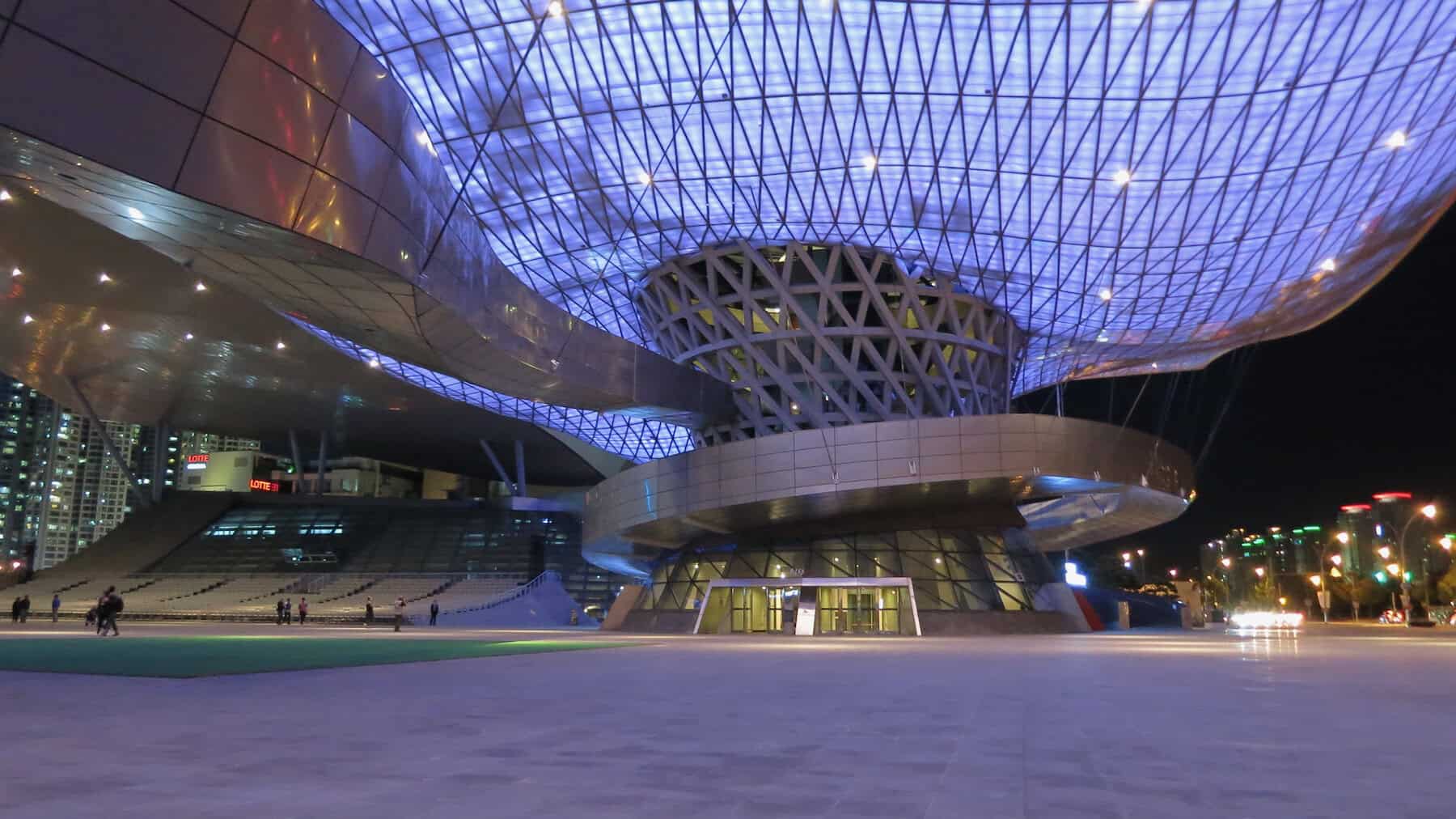
Its location also matters. Busan is South Korea’s second-largest city and a major port, giving the festival a distinct identity from Seoul’s entertainment industry. The Busan Cinema Center in Centum City serves as the festival’s symbolic home, while screenings and events spread across multiple venues.
For international buyers and producers, BIFF is also linked to the Asian Contents & Film Market, which runs separately during the festival period. That means the event functions not only as a public celebration of cinema but also as a business meeting point for the Asian film and content industries.
What does the 2026 program look like?
BIFF’s 2026 festival overview lists 31 screens across eight theaters and a program spanning 59 countries. Its sections include Competition, Gala Presentation, Icons, Vision, A Window on Asian Cinema and Korean Cinema Today, among others.
The Competition section is particularly important this year because it sits at the center of the festival’s upgraded international status. BIFF’s official regulations say the section recognizes outstanding Asian films and presents awards including Best Film, Best Director, Special Jury Award, acting honors and an Artistic Contribution Award.
Is Busan now “the Cannes of Asia”?
That phrase appears often in casual discussions, but it oversimplifies what makes Busan important. Cannes has a different history, market structure and global prestige. Busan’s strength has traditionally been its focus on Asian cinema, its role in discovering new filmmakers and its connection to the fast-growing Korean content industry.
The more useful way to understand the 2026 change is this: BIFF already had cultural influence, and now it has added another layer of institutional recognition. That can make the festival more attractive to filmmakers deciding where to premiere new work and to international media and buyers deciding which Asian titles to watch closely.
What should international viewers watch next?
The immediate question is which films emerge from the Competition and other Asian-focused sections with strong reviews, sales deals or festival awards. The closing ceremony is scheduled for October 15, when the festival’s winners will provide a clearer picture of which titles could travel further on the global festival circuit.
For anyone following Korean cinema, the bigger story is not simply that Busan has received a new label. It is that South Korea now has an even stronger internationally recognized platform connecting Asian filmmakers with global audiences. In a year when Korean film and television continue to travel widely, BIFF’s upgraded status could make Busan an even more important place to see the next breakout title before the rest of the world does.

Leave a Reply